

What Is Astigmatism: Understanding Eye Refraction Irregularities
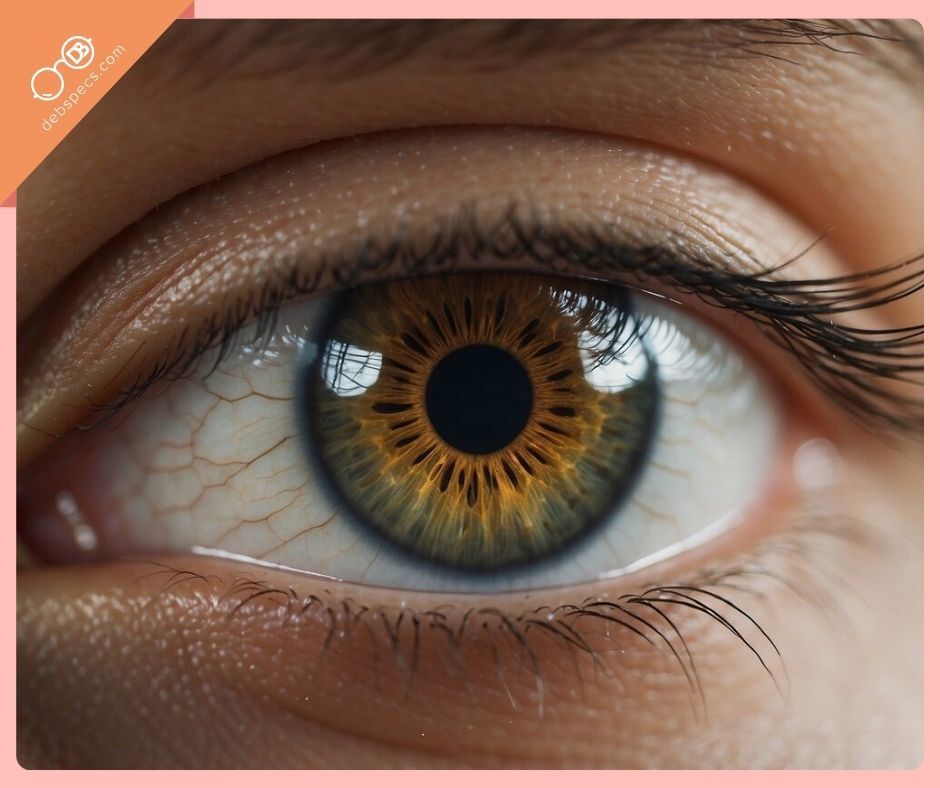
Astigmatism might sound intimidating, but it’s actually one of the most common—and most treatable—vision quirks. It happens when the front of your eye (the cornea) or the lens inside isn’t perfectly round, making light bend unevenly. The result? Blurry or distorted vision at any distance.
The good news: with the right glasses, contacts, or surgery, astigmatism doesn’t have to get in the way of seeing clearly—or looking fabulous.

Key Takeaways
-
Cause: An irregularly curved cornea or lens prevents light from focusing properly.
-
Symptoms: Blurred or distorted vision, headaches, and eyestrain.
-
Correction: Glasses, contacts, or surgery can all bring clarity back.
What Exactly Is Astigmatism?
Astigmatism is a type of refractive error—a fancy way of saying your eyes bend light in a way that makes things look fuzzy. Unlike nearsightedness (can’t see far away) or farsightedness (can’t see up close), astigmatism can affect vision at all distances.
It often shows up alongside other vision issues like myopia (nearsightedness) or hyperopia (farsightedness).
Types of Astigmatism
Not all astigmatism looks the same. Here are the main types:
-
Regular Astigmatism: The most common. The eye curves more in one direction than another.
-
Irregular Astigmatism: Caused by injury or disease; the cornea curves unevenly in multiple directions.
-
Myopic Astigmatism: One or both curves are nearsighted.
-
Hyperopic Astigmatism: One or both curves are farsighted.
-
Mixed Astigmatism: One curve is nearsighted, the other is farsighted.
What Causes Astigmatism?
The exact cause isn’t fully understood, but here’s what we know:
-
Genetics: Often runs in families.
-
At Birth: Many people are born with it.
-
Eye Injuries/Disease: Can change corneal shape.
-
Myth-Busting:
-
Myth: Reading in low light causes astigmatism.
-
Fact: Nope—it’s not your book lamp’s fault.
-
Myth: Sitting too close to the TV is the culprit.
- Fact: Also false. Astigmatism isn’t caused by screen distance.

Signs You Might Have Astigmatism
Astigmatism often sneaks up subtly. Look for these common signs:
-
Blurry or distorted vision at all distances
-
Squinting to see clearly
-
Headaches or eyestrain after reading or screen time
-
Straight lines appearing wavy or bent
How Eye Doctors Diagnose It
An eye exam is the only way to know for sure. Doctors may use:
-
Visual acuity test: Reading letters on a chart.
-
Keratometry: Measuring the curve of the cornea.
-
Phoropter: Trying different lenses to see what sharpens vision.
-
Autorefractor: A machine that calculates your prescription automatically.
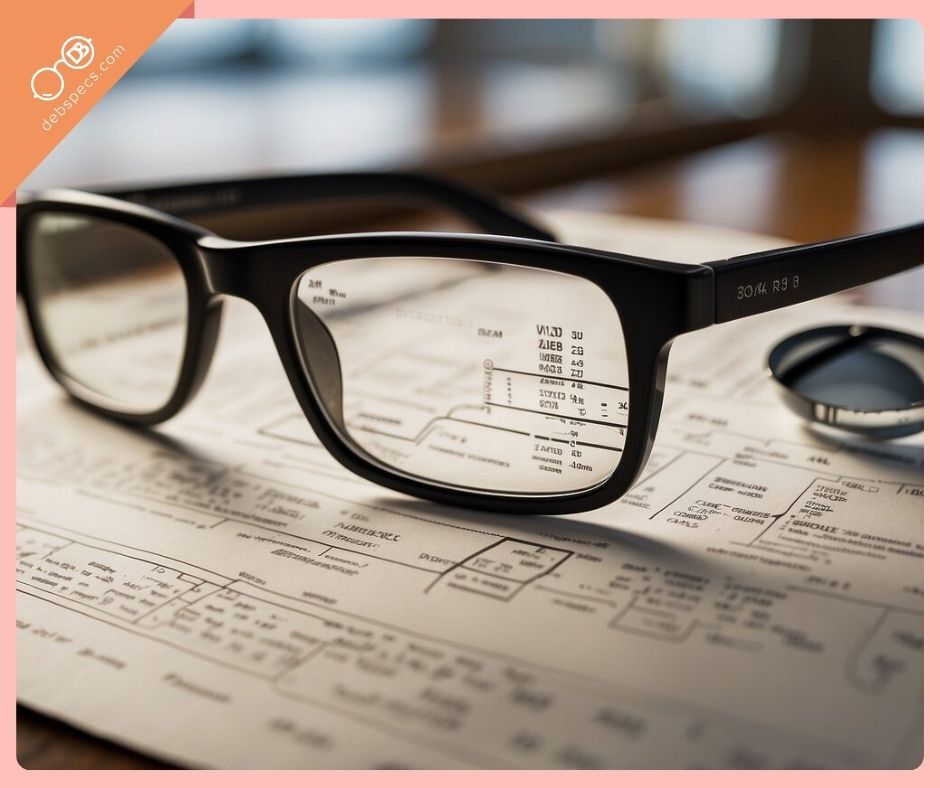
Correcting Astigmatism
Thankfully, correcting astigmatism is straightforward. Options include:
Glasses & Contacts
-
Eyeglasses: Toric lenses are designed to balance out uneven curves.
-
Contact Lenses: Soft toric lenses or rigid gas permeable lenses can sharpen vision.
-
Orthokeratology (Ortho-K): Special contacts worn overnight to gently reshape the cornea.
Surgical Options
-
LASIK: A laser reshapes the cornea for clearer vision.
-
PRK: Removes a thin surface layer of cornea before reshaping it.
-
Cataract Surgery: Toric intraocular lenses can correct astigmatism while replacing cloudy lenses.
-
Keratoconus Treatments: Corneal cross-linking helps strengthen corneas.

Living Well With Astigmatism
Astigmatism doesn’t have to slow you down. A few lifestyle tweaks can help:
-
Wear your lenses consistently. Update prescriptions regularly.
-
Check kids’ vision often. Untreated astigmatism can cause lazy eye.
-
Use good lighting. Reduce glare and boost clarity.
-
Take screen breaks. Rest your eyes to prevent strain.
Care Checklist:
-
Schedule regular eye exams.
-
Share new symptoms with your doctor.
-
Follow treatment recommendations closely.
-
Reassess after cataract surgery if needed.
What’s New in Astigmatism Treatment?
Technology keeps making things easier:
-
Advanced LASIK: Wavefront-guided LASIK maps your eye for ultra-precise reshaping.
-
Improved PRK: Faster healing and better results than older methods.
- Next-Gen Lenses: Gas permeable and soft toric lenses are now more breathable, comfortable, and customizable.
TL;DR
Astigmatism is super common and super fixable. If you’re squinting, battling headaches, or noticing blurry lines, an eye exam is the first step. From stylish glasses to advanced lenses or surgery, there’s a solution that fits your lifestyle.
FAQs About Astigmatism
Q: Can astigmatism go away on its own?
A: No, but it can change over time. Correction is usually needed.
Q: Does astigmatism get worse with age?
A: Sometimes—it may shift as your eyes change, especially if cataracts develop.
Q: Is it genetic?
A: Yes, but environment and health also play roles.
Q: Can I wear fashion-forward glasses with astigmatism?
A: Absolutely! Toric lenses fit into stylish frames just like regular prescriptions.
Q: Do I really need an eye exam?
A: Yes—DIY online tests won’t cut it. Only a full exam gives an accurate diagnosis.
? At DebbySpecs, we believe your glasses should flatter your face as much as they sharpen your vision. Astigmatism may blur the world—but with the right frames, you’ll see clearly and look chic.


