


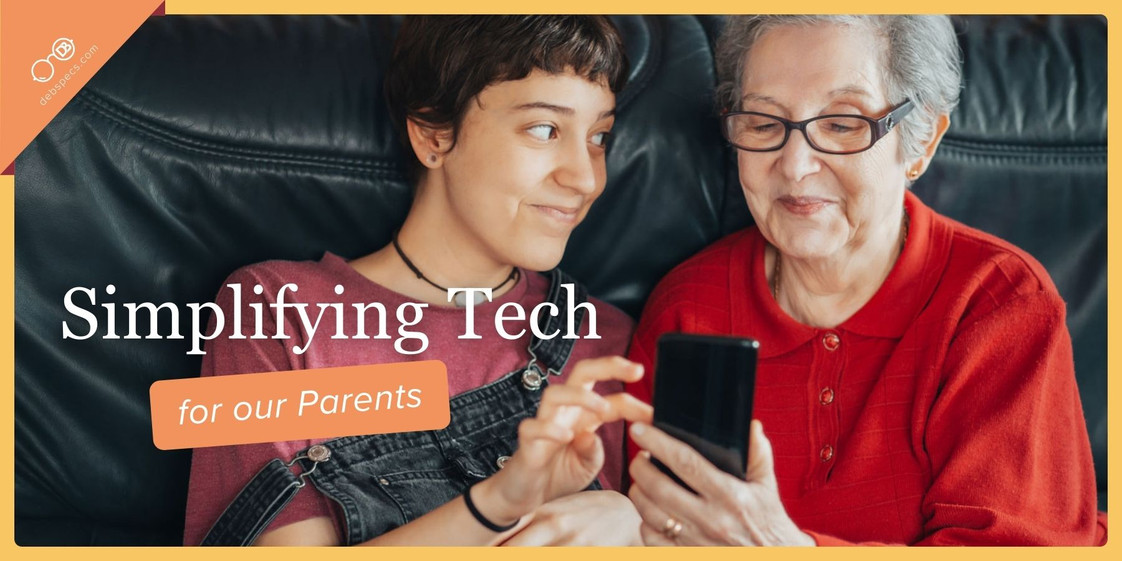
Simplifying Tech for our Parents
Posted by Team Debby on 11th May 2024
iPhones aren’t just for tech-savvy teens or busy professionals—they’ve quietly become some of the most powerful tools for older adults. With built-in accessibility features, health tools, and easy-to-use apps, an iPhone can help grandparents stay connected with loved ones, manage health needs, and even make day-to-day tasks simpler.
Apple has designed iPhones with seniors in mind, making sure independence and comfort are just a few taps away.
Accessibility Features That Make iPhones Senior-Friendly
Apple built accessibility into the iPhone’s core design, so it can adjust to vision, hearing, or mobility needs.
- VoiceOver – A screen reader that speaks what’s on the screen, perfect for those with vision changes.
- Zoom (Magnifier) – Turns the iPhone into a digital magnifying glass for menus, medication bottles, or books.
- Made for iPhone (MFi) Hearing Aids – Seamlessly pairs hearing aids with the iPhone for clearer sound.
- Speak Screen – Reads on-screen text aloud with a simple two-finger swipe.
- Custom Display Settings – Options like larger text, bold type, higher contrast, and reduced motion make screens easier to read.
These small tweaks add up to a big confidence boost, helping seniors feel at ease with technology.
Supporting Clear Vision for Everyday Tech Moments
As the article highlights, helping parents feel comfortable with technology often comes down to making screens, buttons, and small text easier to see and understand. Readers designed for close-up clarity can reduce strain during those shared lessons, allowing everyone to focus more on the connection and less on the squinting. The options below show how thoughtful lens choices can gently support these everyday tech moments.
Communication Made Simple
Staying connected is easier (and more fun) with iPhone’s built-in tools:
- Siri Voice Commands – Say “Hey Siri” to call a loved one, send a text, or ask about the weather—no typing required.
- FaceTime Video Calls – Perfect for family check-ins or virtual grandparent storytime, with group calls of up to 32 people.
- Messages with Predictive Text – Suggests words as you type, making texting faster and easier.
Myth: Video calls and smart assistants are too complicated for seniors.
Fact: With simple prompts and large, clear buttons, these tools are designed for ease—even first-time users.
Health and Safety Features You’ll Love
The iPhone doubles as a health and safety companion, offering peace of mind to both seniors and their families.
- Medical ID – Stores allergies, medications, and emergency contacts, accessible from the lock screen.
- Emergency SOS – Quickly calls emergency services and alerts loved ones with your location.
- Fall Detection (via Apple Watch) – Automatically calls for help if a hard fall is detected.
These tools turn the iPhone (and Apple Watch, if paired) into a safety net you can rely on.
Everyday Organization Tools
Managing daily life gets easier with these built-in apps:
- Reminders – Create to-do lists with alerts for medications or errands.
- Calendar – Track appointments, birthdays, and events.
- Notes – Quickly jot down grocery lists or ideas, and find them later with search.
Entertainment and Lifelong Learning
Staying engaged and entertained matters at every age. The iPhone offers:
- Podcasts – Listen to shows on hobbies, history, or health.
- News App – Get curated headlines and even listen to audio stories.
- Books App – Read ebooks or listen to audiobooks, with adjustable font sizes and screen backgrounds.
Navigation and Travel Made Easy
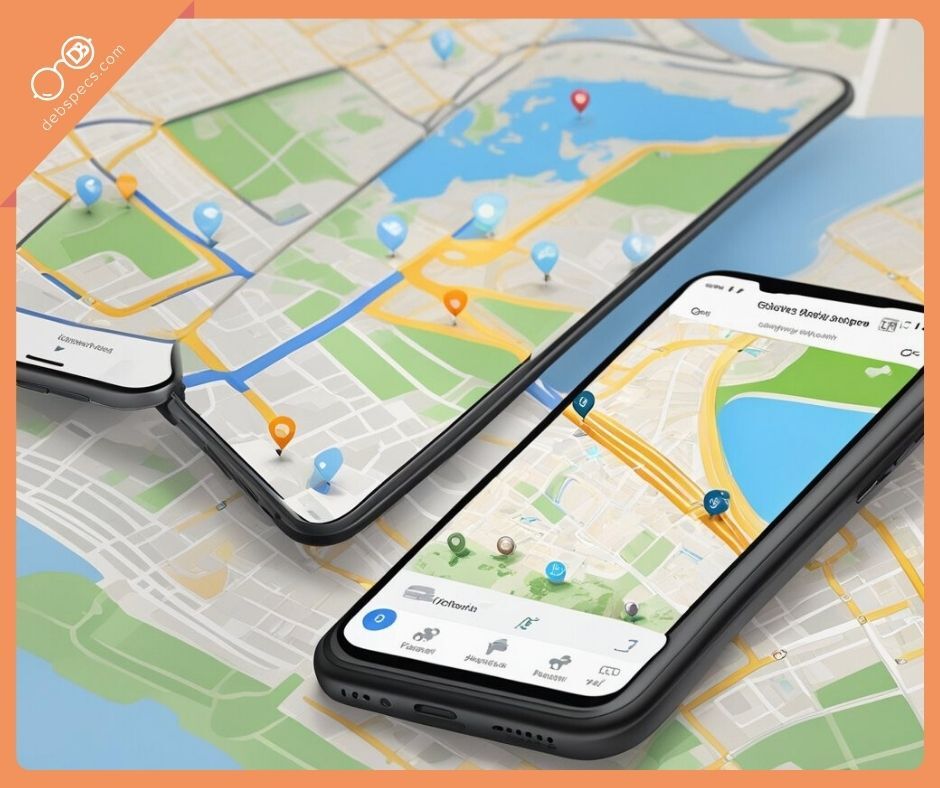
For outings, errands, or family visits, iPhone helps seniors travel with confidence:
- Maps App – Provides turn-by-turn directions, real-time traffic, and public transit info.
- Favorites – Save common destinations like home or the doctor’s office.
- Find My iPhone – Share location with family for safety, and locate a misplaced device with sound alerts or Lost Mode.
Bonus Resources for Tech-Confident Grandparents
For seniors who want to dive deeper:
- App Store – Explore health trackers, brain games, and social apps like Facebook or Skype.
- Apple Support – Official guides on setup and troubleshooting.
- YouTube Tutorials – Channels like Apple’s Official Channel or Senior Tech Lessons offer step-by-step videos.
TL;DR
The iPhone is more than a phone—it’s a lifeline for independence. With built-in accessibility tools, safety features, health tracking, and apps for fun and learning, it helps seniors stay connected and confident. Whether it’s enlarging text, making a FaceTime call, or setting medication reminders, the iPhone adapts to your lifestyle.
FAQs
Q: Is the iPhone too complicated for seniors who aren’t tech-savvy?
A: Not at all. Apple designed accessibility features to be simple and intuitive, with clear settings and large controls.
Q: Do I need special apps to use accessibility features?
A: No—most features, like VoiceOver, Magnifier, and Medical ID, are already built in.
Q: Can an iPhone really help in emergencies?
A: Yes. Features like Emergency SOS and Medical ID are lifesavers, and pairing with an Apple Watch adds fall detection.
Q: What’s the best iPhone model for seniors?
A: Any recent model works well, but larger-screen models (like iPhone Plus or Pro Max) are easier to read.
Bottom line: iPhones aren’t just for the young—they’re a stylish, smart, and safe choice for seniors who want to stay independent and connected.